Watercolor Feather Clipart Collection Review for Real Embroidery Projects
If you're looking to add a soft, artistic touch to your embroidery projects, the Watercolor Feather Clipart Collection is definitely worth considering. As an experienced designer and reviewer of machine embroidery designs, I’ve had the chance to work with this collection in several real-world scenarios—most recently on a custom sweatshirt and a set of embroidered pillow covers. Here’s how it performed and what I think about using it in practical design work.
Aesthetic First Impressions: Mood and Visual Personality
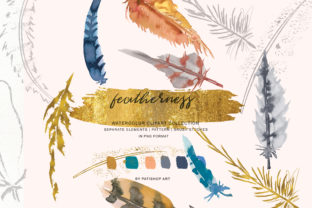
The Watercolor Feather Clipart Collection immediately evokes a sense of elegance and whimsy. The feather motifs are rendered in a gentle, flowing style that mimics hand-painted watercolor effects. This gives the designs a softness that stands out from more rigid or geometric embroidery patterns. The layout is thoughtful, with varying sizes and compositions that allow for flexibility in placement and scaling.
Visually, these illustrations have a dreamy, ethereal quality. They’re not bold or graphic-heavy, which makes them ideal for designs where subtlety is key. The feathers seem to float on the fabric rather than overpower it, creating a mood that’s perfect for romantic, bohemian, or nature-inspired themes. For someone like me who often works with boutique branding or personalized gifts, this kind of visual personality can be incredibly valuable.
Themes That Work Well
- Baby items: The delicate nature of the feathers suits baby clothes and nursery decor beautifully.
- Holiday gifts: Feathers can symbolize peace and celebration, making them great for seasonal stitching.
- Wedding accessories: Their soft appearance fits well with wedding invitations, gift tags, and even small embroidered patches for boutonnieres.
- Fashionable apparel: Especially on sweaters, hoodies, and tote bags where a light, artistic motif adds charm without being too loud.
Real-Life Performance: Stitching Clarity and Design Adaptability
I tested the Watercolor Feather Clipart Collection on a few different materials, including cotton blends and linen. One thing became clear quickly: the success of the design hinges heavily on stitch density and thread color contrast. The clipart has fine lines and subtle shading, so if the stitch count is too low or the thread colors aren’t properly selected, the details can get lost.
For instance, when I used the design on a sweatshirt embroidery project, I found that higher stitch density helped preserve the intricate edges of the feathers. However, on a thin cotton tee, those same details were less defined unless I adjusted the settings and used a slightly heavier thread weight.
Best Use Cases
- Tote bag design: The large format allows the feathers to breathe and shine, especially when placed near the top edge or along the handle area.
- Pillow covers: A central feather motif looks stunning here, especially if paired with minimalist text or another complementary illustration.
- Tea towels: When stitched in pastel threads, the design feels cozy and inviting, fitting well into home décor collections.
- Embroidered patch: Smaller versions work well as decorative accents on jackets, backpacks, or denim.
What I also appreciated was how easily the designs integrated into printable mockups for my Etsy listings. The digital embroidery file provided a clean vector outline, which made it simple to visualize how the finished product would look on different backgrounds. It added a level of professionalism to my shop’s visuals that customers responded positively to.
Where Caution Is Needed: Fabric and Format Considerations
While the Watercolor Feather Clipart Collection is versatile, there are certain situations where it might not perform as expected. For example, I noticed that the design doesn’t hold up well on stretchy fabrics like spandex blends. The feather shapes can distort slightly during tension adjustments, leading to a less polished outcome.
Also, when working with dark fabric backgrounds, the thread colors need to be carefully chosen. If the contrast isn’t high enough, the design becomes invisible after stitching. I recommend testing the design in black-and-white before finalizing your color choices, especially if you're planning to offer multiple fabric options in your craft business or Etsy store.
Other Limitations
- Small hoop sizes: Some of the more detailed feather designs may require a larger hoop to avoid distortion or incomplete stitching.
- Textured fabrics: Materials like canvas or felt can interfere with the fine lines and soft gradients in the design.
- Dense stitch areas: Because of the layered look, some parts of the design can become overly stitched if not managed properly, affecting fabric integrity.
- Curved surfaces: On caps or curved garment panels, the design needs careful alignment to maintain its shape and balance.
Design Impact: Enhancing Product Value and Brand Consistency
When done right, the Watercolor Feather Clipart Collection elevates the handmade product significantly. Its soft aesthetic appeals to a wide audience, particularly those drawn to indie, artisanal, or nature-themed goods. In my experience, it helped increase buyer engagement because the design looked unique and personal.
One of the things I love most about this collection is how it contributes to brand consistency. If you're building a line of products around a certain theme—say, a boutique offering handmade baby items—the consistent style of the feathers helps create a cohesive identity across all small shop product offerings. Customers start to recognize your signature look, which builds trust and repeat sales.
Customer Reactions and Giftability
- Customers loved the personalized gift look when applied to monogrammed pillows and tea towels.
- It added a professional finish to holiday embroidery, making it stand out in gift markets.
- As a decorative accent, it enhanced the overall presentation of custom apparel and embroidered patches.
Designer Notes: Practical Tips for Use
Before committing to a full production run or client order, I always suggest a few steps to ensure the best results with any machine embroidery design:
- Test on scrap fabric first: Especially important for stretchy or thin materials.
- Review stitch density: Adjust based on fabric type and desired detail visibility.
- Confirm hoop size: Make sure the design fits comfortably within your available hoops.
- Inspect small details: Zoom in to check if the watercolor effect translates well through stitches.
- Use proper stabilizer: Light to medium-weight tear-away or wash-away stabilizers help maintain shape and prevent puckering.
- Check licensing: Always confirm whether the digital embroidery file allows for commercial use before selling finished items or digital assets.
Thread Color Strategy
Because the design relies on subtle variations in tone, using a range of thread colors (especially lighter shades) is essential. I found that using 40-60 weight threads gave the best balance between coverage and delicacy. Avoid using very dark or metallic threads unless you want a dramatic, contrasting look.
Final Thoughts for Creative Entrepreneurs
The Watercolor Feather Clipart Collection is a beautiful addition to your design assets, but it's not one-size-fits-all. It shines brightest on mid- to heavyweight fabrics where the watercolor effect can be fully realized. Think of it as a design that requires intentionality—both in placement and in execution.
For Etsy sellers and craft fair product creators, this collection can be a standout feature in your line of personalized gifts. Just remember to pair it with the right thread colors, stabilize correctly, and test thoroughly. With these considerations in mind, you’ll be able to deliver a finished product that feels both artistic and professional.
In short, if you're aiming for something soft, elegant, and expressive in your next embroidery project, the Watercolor Feather Clipart Collection could be just the asset you need. But don’t overlook the importance of preparation and testing—it’s the difference between a good design and a great one.