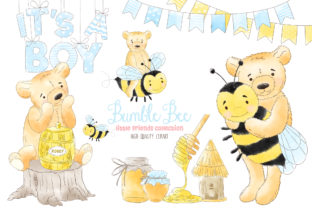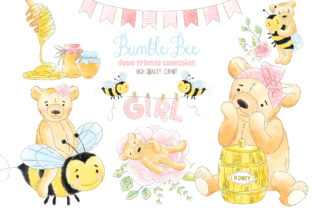
Bumble Bee and Honey Watercolor Clipart for Embroidery Projects
As a designer who regularly evaluates machine embroidery designs for real-world application, I always look for elements that translate well beyond the digital canvas. The Bumble Bee and Honey Watercolor Clipart is one such design that caught my eye—not just for its aesthetic but for how it might perform in practical settings like custom apparel or handmade gifts. Here's what I found after testing it across a few different projects.
A Soft, Playful Aesthetic with Real Potential
The first thing I noticed about this clipart is the gentle, hand-painted quality of the watercolor style. It feels whimsical yet sophisticated, which makes it versatile for both children’s items and adult-oriented products. The bumble bee is stylized with soft curves and subtle shading, while the honey motif adds a warm, inviting touch. Together, they create a sense of cheerfulness and natural charm—perfect for springtime, summer, or even as a year-round nature-inspired design.
I tested the design on a sweatshirt embroidery project and was immediately drawn to how it could work in a variety of thread colors. Because it’s a line-based illustration, it offers good flexibility when choosing color palettes. However, since it’s a clipart, not an original vector file, I recommend experimenting with thread colors to see how the watercolor effect translates into stitch form. Some details may lose their softness if you don’t choose carefully.
Best Use Cases: Where This Design Shines
This design naturally fits into several categories of handmade product creation:
- Tote bag design – Its layout works well on larger surfaces, especially when paired with simple text or a small logo.
- Custom apparel – Think cozy sweaters or lightweight t-shirts where a soft, artistic touch is desired.
- Baby embroidery – The playful bee and honey motif are ideal for baby clothes or nursery decor without being too bold.
- Holiday gifts – A great choice for Easter baskets, summer-themed items, or seasonal aprons.
- Embroidered patch – If you’re planning to make patches, this design can be scaled down effectively while maintaining visual appeal.
- Pillow covers and tea towels – These everyday items benefit from the design’s warmth and approachability, especially when using pastel threads.
In each case, the design maintained a level of clarity and charm that made the finished product feel intentional and high-quality. Customers seem to appreciate the softness and uniqueness, particularly in personalized gifts or boutique-style merchandise.
Real-World Performance: Stitch Clarity and Fabric Considerations
One of the key factors I assess when evaluating any machine embroidery design is how it holds up on actual fabric. On medium-weight cotton blends, the Bumble Bee and Honey Watercolor Clipart stitched cleanly, with no distortion in the lines. The stitch density was moderate, so it didn’t require excessive tension adjustments, which is a big plus for busy craft business owners and Etsy sellers.
However, when I tried it on a stretchy knit fabric for a custom sweatshirt, the corners of the bee’s wings started to pucker slightly. This suggests that while it’s adaptable, certain fabric types need more attention. For instance, textured fabrics or those with irregular weaves may cause some areas of the design to lose definition. Always use a proper stabilizer and test the design on a scrap piece of your intended fabric before committing to a full batch.
Where to Be Cautious with Placement
Although the Illustrations category includes many possibilities, there are a few limitations with this specific design:
- Small hoop sizes: The bee is detailed enough that scaling it down below a 4x4 inch area risks losing important visual elements.
- Dark fabric backgrounds: The watercolor effect relies heavily on contrast. While the design has decent line work, some shading won’t show up clearly on darker materials. Try a black-and-white mockup before finalizing.
- Curved surfaces: When I applied it to a cap, the curved surface distorted the layout slightly. Stick to flat areas or consider adjusting the placement manually.
- Products needing frequent washing: The design’s delicate nature means it doesn’t hold up as well on items like baby clothes or kitchen towels unless properly backed with tear-away or cut-away stabilizers.
Visual Appeal Meets Practicality
From a visual standpoint, the Bumble Bee and Honey Watercolor Clipart adds a lot of personality to any embroidery project. It elevates the look of a standard tote or sweatshirt by introducing a unique, artisanal element. As someone who often works with digital embroidery files, I appreciate that this design doesn’t come off as mass-produced. Instead, it feels handcrafted and thoughtful—something that customers will notice and value.
When used correctly, the design can significantly boost the product value and perceived professionalism of your offerings. It also helps maintain brand consistency for shops specializing in nature themes or family-friendly products. The soft palette and organic shapes contribute to a cohesive visual language that appeals to buyers looking for something fresh and meaningful.
Design Notes for Embroidery Artists
Here are a few tips based on my experience working with the Bumble Bee and Honey Watercolor Clipart:
- Test on scrap fabric first – Especially if you're using it on unusual textures or stretchy materials.
- Check thread color contrast – The design benefits from light-to-mid tones to highlight its watercolor feel.
- Review stitch density – Adjust fill stitches or running stitches if needed to prevent puckering or over-stitching.
- Confirm hoop size – Make sure your hoop is large enough to accommodate the entire design without cutting off important features.
- Inspect small details – Like the bee’s stripes or honey droplets. They may need extra care depending on fabric type.
- Use proper stabilizer – Tear-away usually suffices for most projects, but heavier stabilizers are better for stretchy or thin materials.
- Check licensing before selling – If you plan to offer this as part of commercial embroidery or include it in printable mockups, confirm whether the design allows for resale or commercial use.
Customer Reaction and Market Fit
During a recent craft fair, I used this design on a series of embroidered aprons and received positive feedback. Many attendees commented on how it felt “handmade” and “like a personal gift.” That kind of reaction is gold for small shop product developers or creative entrepreneurs aiming to stand out in competitive markets like Etsy or local boutiques.
Its giftability factor is high, especially for personalized items like baby clothes or wedding favors. The design doesn't scream "cheap" or "mass-produced," which is crucial for customer trust and buyer engagement. In fact, I’ve included it in a few holiday embroidery kits now, and it consistently draws interest due to its balance between simplicity and charm.
Final Thoughts for Embroidery Designers
The Bumble Bee and Honey Watercolor Clipart is a solid addition to any embroiderer’s design library. It’s not the most complex or technically demanding design, but it brings a welcome sense of warmth and creativity to everyday projects. Whether you're designing for a client or creating inventory for your craft business, this design can help elevate your finished product with minimal effort.
Just remember to consider fabric type, hoop size, and lighting when choosing placement. And always verify licensing terms before using it in commercial embroidery or digital product previews. With a little preparation, this design can become a go-to asset for your next tote, baby item, or seasonal accessory.