Watercolor Clipart Flowers for Embroidery Projects
As an embroidery designer who regularly reviews digital design assets for real-world use, I’ve seen my fair share of floral motifs. But when it comes to Watercolor Clipart Flowers, there’s something uniquely appealing about how they translate into stitched form. These designs don’t scream boldness or demand attention with intricate details—they instead whisper elegance and charm. That subtle presence is exactly what makes them so versatile, but also requires a bit more thought when choosing the right application.
A Mood of Softness and Artistry
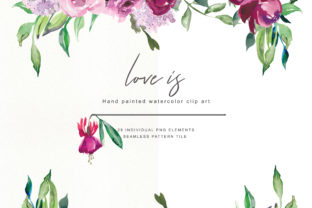
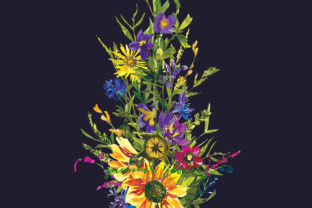
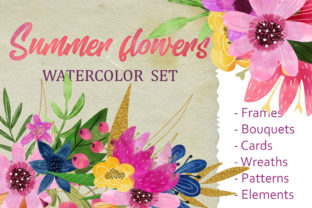
The first thing that stands out about Watercolor Clipart Flowers is their mood. They evoke a sense of softness, creativity, and hand-drawn artistry. The shapes are flowing, the lines are gentle, and the overall feel is one of calm sophistication. Unlike traditional embroidered florals that can look rigid or overly structured, these illustrations have a painterly quality that feels organic and fresh. It's like stitching a watercolor painting onto fabric, which is both exciting and a little challenging if you're not used to translating such delicate aesthetics into stitch form.
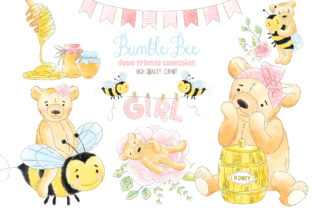
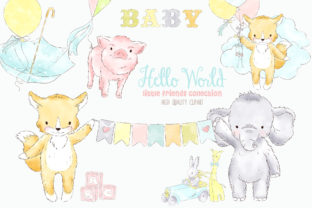
This kind of visual personality works well in projects where the goal is to create a warm, inviting, and artistic impression. Think baby clothes, nursery decor, or personalized gifts—places where people appreciate a softer, more personal touch. For small shop owners or Etsy sellers, this can be a great way to differentiate your handmade product from mass-produced alternatives.
Real-Life Use in Custom Apparel and Accessories
I recently tested a watercolor flower embroidery file on a custom sweatshirt for a boutique client. The design was layered with a few thread colors, mostly pastels, and it looked absolutely stunning after stitching. The satin stitch around the petals gave it definition without being too heavy, and the fill stitch in the centers added texture without overwhelming the garment.
On a tote bag design, the same file worked beautifully. Because the flowers were relatively large and spaced apart, the stitch density remained manageable, and the final product had a lovely, painterly effect. This is one of those rare cases where the embroidery project almost looks like it was drawn directly onto the fabric. That’s powerful for customer appeal—it instantly elevates the perceived value of the handmade product.
However, when I tried using the same machine embroidery design on a patch for a denim jacket, the results were less impressive. The contrast between the patch and the background fabric wasn’t strong enough, and the fine brush strokes didn’t hold up as well on a textured surface. So while these designs can work across many products, they’re not universally perfect and require careful consideration of the final use case.
Where Watercolor Clipart Flowers Shine
- Tote bags — Especially ones made from cotton or linen, where the watercolor style blends naturally with the material.
- Sweatshirts — Their soft hues and open composition complement the cozy nature of knitwear.
- Nursery decor — Perfect for creating whimsical yet elegant pieces like pillow covers or wall hangings.
- Holiday gifts — Whether it's a tea towel or a Christmas ornament, these designs bring a festive, artistic flair.
- Embroidered patches — On lighter-weight fabrics like flannel or felt, they can add subtle beauty without looking cluttered.
Design Considerations for Real-World Stitching
One of the things I always look for when evaluating an embroidery file is how it handles different environments. With Watercolor Clipart Flowers, I found that the design layout is generally open, making it suitable for most mid-to-large hoop sizes. But if you're working with a tight space, like a cap or a detailed corner of an apron, you might need to simplify or scale down the elements carefully to maintain clarity.
Fabric choice plays a big role here. These designs rely heavily on color contrast and soft shading to achieve their painterly look. If you try them on a dark fabric, you’ll lose that subtlety unless you use very light thread colors. And even then, the outcome might not be as visually striking as intended. For best results, stick to medium to light-colored materials with minimal texture.
Another key factor is stabilizer. Because of the flowy nature of the illustration, some areas may require additional backing to prevent puckering or distortion during the embroidery process. A tear-away stabilizer often suffices, but for stretchy or thin fabrics, a cut-away type might be necessary to preserve the integrity of the design.
Thread Color Choices Matter
Thread colors can make or break the impact of Watercolor Clipart Flowers. Since the design mimics a painted look, you want to select shades that reflect that soft blending. Metallic threads aren’t ideal here unless you're going for a specific accent. Instead, opt for rayon or polyester threads in pastel tones or muted jewel colors to keep the visual personality intact.
Before committing to a full run, I always recommend doing a test on scrap fabric. Try different combinations of thread colors and backgrounds to see how the design assets interact. You’ll quickly discover which variations enhance the watercolor aesthetic and which ones muddy the message.
Use with Caution: When These Designs Don’t Fit
Despite their charm, Watercolor Clipart Flowers aren’t always the best fit. Here are some situations where they might not perform as expected:
- Small hoop sizes: Details get lost easily when scaled down. The brush strokes and soft edges become indistinct, reducing the visual appeal.
- Textured fabrics: Fabrics like canvas or denim can disrupt the delicate look of the design, especially if you're not using proper stabilizer.
- Stretchy or thin fabric: These can cause the design to distort or lose its shape during stitching.
- Products needing frequent washing: Dense stitch areas might fray or pill over time, especially if the design includes tiny lettering or decorative accents.
If you're considering using these for commercial embroidery, be sure to confirm the licensing terms. Some digital files come with restrictions that limit resale or reproduction rights. As a professional or craft business owner, understanding the legal side ensures you avoid issues later when selling finished items or digital products.
Practical Designer Notes
Here are some quick tips for getting the most out of Watercolor Clipart Flowers:
- Test the design on scrap fabric before using it on a real product.
- Review the thread color contrast against the fabric background.
- Inspect the stitch density—too much can lead to pilling or stiffness, especially on garments like sweatshirts or baby clothes.
- Confirm the hoop size needed for the full design or any part of it you plan to use.
- Check whether the digital embroidery file includes multiple sizes or just a single format.
- Use printable mockups to visualize how the design will appear on your finished product before production.
Customer Reactions and Brand Value
When customers receive a product with Watercolor Clipart Flowers, their reactions tend to be positive if the execution is clean and intentional. The design adds a sense of artisanal care, which increases product value and giftability. People love receiving items that look unique and thoughtfully made, and this design helps communicate that.
For Etsy sellers and small shop product creators, consistency is key. These designs can help build brand recognition if used across multiple items like aprons, pillow covers, or holiday gift tags. Just ensure the placement and scale are consistent for a cohesive look.
Visual Appeal vs. Stitch Clarity
While the illustrations look dreamy in digital form, the challenge lies in maintaining that look once stitched. Fine details may not show up clearly on certain machines or fabrics, so it's important to inspect the design closely. Look for areas with running stitch or sparse fill—if they’re too delicate, they may disappear entirely when stitched.
I’ve found that using black and white mockups before stitching helps identify potential visibility issues. Sometimes the soft gradients and subtle lines only become apparent when viewed in grayscale. This step is crucial for ensuring that the embroidered patch or tote bag design holds up under scrutiny, especially for commercial embroidery purposes.
Final Thoughts for Makers and Designers
Watercolor Clipart Flowers offer a refreshing alternative to the typical floral patterns available for embroidery. Their painterly style brings a level of uniqueness that resonates with customers looking for something beyond the ordinary. However, their success depends heavily on context—fabric type, hoop size, and thread selection all play a role in how well they perform.
If you're planning to use these in a holiday embroidery collection or for personalized gifts, take the time to understand how the design interacts with your chosen materials. The effort pays off in customer trust and professionalism, as a well-executed piece speaks volumes about the care put into your craft business or handmade shop.
In short, these are not just another set of machine embroidery designs—they’re an opportunity to elevate your embroidery project with a touch of artistry. Used wisely, they can become a signature element in your design portfolio, helping your brand stand out in a crowded market.