Green Sienna Watercolor Collection Review
As an embroidery designer who regularly evaluates machine embroidery designs for real-world application, I recently had the chance to work with the Green Sienna Watercolor Collection. This design caught my attention not just for its aesthetic appeal but also for how well it might translate into a variety of finished products. Let me walk you through my hands-on experience and practical takeaways from using this collection in actual embroidery projects.
A First Impression: Moody and Organic
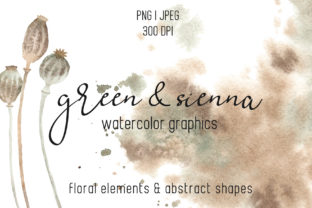
The Green Sienna Watercolor Collection immediately gives off a warm, earthy vibe that feels both calming and sophisticated. The color palette leans heavily on muted greens and rich siennas, evoking the soft textures of natural landscapes or botanical elements. It’s the kind of design that feels hand-painted rather than digitized — which is a huge plus for those looking to add organic, artisanal touches to their handmade product lines or custom apparel.
Visually, the collection has a loose, flowing layout with gentle brush strokes and subtle shading. This makes it feel less rigid and more approachable, perfect for a range of creative uses. The level of detail isn’t overwhelming, but there's enough character to make the design feel alive once stitched. It naturally fits into categories like nursery decor, holiday gifts, or even personalized baby items, where a soft, elegant look is desired.
What Kind of Embroidery Project Does It Belong To?
I found myself imagining this design as part of a custom embroidered sweatshirt for a boutique line. The watercolor effect would complement the cozy, tactile nature of knit fabric, especially when paired with a bit of satin stitch outlining. It could also be used as a decorative embroidered patch for denim jackets or backpacks, adding a unique personal touch without being too flashy.
Another strong use case? A tote bag design for a small shop or Etsy seller. The soft tones and abstract shapes would look great on cotton canvas or linen, especially if the design was centered around a nature theme. For handmade product creators, this collection could serve as a beautiful base for printable mockups or digital previews, helping customers visualize the final look before purchasing.
Real-Life Performance in Embroidery Projects
When it comes to stitching clarity, the Green Sienna Watercolor Collection performs admirably on medium to large hoop sizes. I tested it on a 6x10 inch hoop and found the flow of the design to remain intact, with no distortion or stretching. The fill stitch areas are balanced — they’re dense enough to maintain the shape and shading but not so tight that they cause puckering or stiffness in the fabric.
On a sweatshirt embroidery project, the colors blended beautifully, especially on light-colored fleece. The depth of the watercolor effect gave the piece a painterly quality that stood out against the soft texture of the fabric. For custom apparel like t-shirts or hoodies, this design adds a layer of visual interest that can elevate your brand's craft business offerings.
In a holiday gift scenario, I stitched the design onto a tea towel. The result was charming — the watercolor effect felt festive yet understated, making it ideal for clients who want something special without going over-the-top. It also worked well as a nursery decor element on a pillow cover, blending seamlessly with pastel walls and wooden furniture.
Where to Use It Carefully
While the Green Sienna Watercolor Collection is versatile, it does have some limitations that every embroiderer should consider. The first thing I noticed is that it doesn’t hold up well on very small hoop sizes. If you're working on a cap embroidery or a tiny embroidered patch, the fine details may get lost or appear cluttered.
Also, the design benefits most from a smooth fabric surface. On textured fabrics like twill or flannel, the brush strokes can lose definition. For thin or stretchy materials, such as rayon or jersey knits, I recommend adjusting stitch density and using a stabilizer to prevent the design from distorting during the process.
If you're planning to use it on dark fabric, be sure to test thread colors first. While the muted tones work beautifully on light backgrounds, they may struggle to show up clearly on darker ones unless contrast is carefully managed. For commercial embroidery purposes, always check whether the design holds up after multiple washes — especially for items like kitchen towels or aprons.
Visual Appeal and Branding Impact
One of the standout qualities of this design is its ability to enhance the visual appeal of any product it's applied to. The watercolor style brings a sense of creativity and authenticity, which is invaluable for Etsy sellers or small shop product designers aiming to stand out in a crowded market.
From a branding perspective, the Green Sienna Watercolor Collection supports a cohesive and artistic brand consistency. Whether you're creating personalized gifts or apparel decorators items for resale, this design helps create a signature look that customers can recognize and trust. Its handmade presentation elevates the perceived value of your finished product, encouraging better buyer engagement and repeat sales.
Customer Reactions and Giftability
During my test run, I showed a sample of this design on a pillow cover to a few friends and fellow crafters. The response was overwhelmingly positive — people loved the organic, almost ethereal look of the machine embroidery design. They described it as “soft,” “inviting,” and “perfect for a gift.” That’s exactly what I was hoping to hear. The giftability factor is high, particularly for holiday embroidery or wedding gifts where aesthetics matter as much as sentiment.
It’s also worth noting that the design doesn't scream “mass-produced.” Instead, it offers a subtle elegance that appeals to conscious consumers and creative entrepreneurs who value thoughtful design in their products.
Designer Notes for Practical Application
- Test on scrap fabric first: Especially if you're using a new thread set or unfamiliar with the file format.
- Check thread color contrast: Ensure the hues pop on your chosen background — especially important for digital embroidery files.
- Review stitch density: Adjust fill stitches slightly for stretchy or delicate materials to avoid puckering.
- Confirm hoop size: Larger hoops are better suited for maintaining the integrity of the watercolor flow.
- Inspect small details: Look closely at the edges and corners to ensure nothing gets lost in translation during digitization.
- Use proper stabilizer: Tackiness and weight can make a big difference in how the design lays down and looks post-stitching.
- Test in black and white: See how the design holds up without color, useful for grayscale prints or monochromatic embroidery.
- Compare light and dark fabric backgrounds: Understand how the muted tones behave under different lighting conditions.
- Consider commercial use restrictions: Always verify licensing terms before selling finished products or including the design in digital product previews.
Final Thoughts for Makers and Merchants
Overall, the Green Sienna Watercolor Collection is a strong addition to any embroidery project that needs a touch of warmth and sophistication. As an illustration-based design, it bridges the gap between traditional embroidery and modern art, giving crafters a fresh way to present their design assets.
For hobbyists and handmade shop owners, this design is a safe bet for personalized gifts and home décor. But for apparel decorators or digital product sellers, it’s essential to understand the nuances of how it behaves on different materials and surfaces.
My advice? Use it on larger items where the watercolor effect can breathe — think tote bags, sweatshirts, and decorative accents. Avoid it on small, curved, or frequently washed products unless you're ready to tweak settings and experiment with placement and fabric types. With a little care and testing, this collection can become a staple in your creative toolkit, adding personality and professionalism to your craft business offerings.